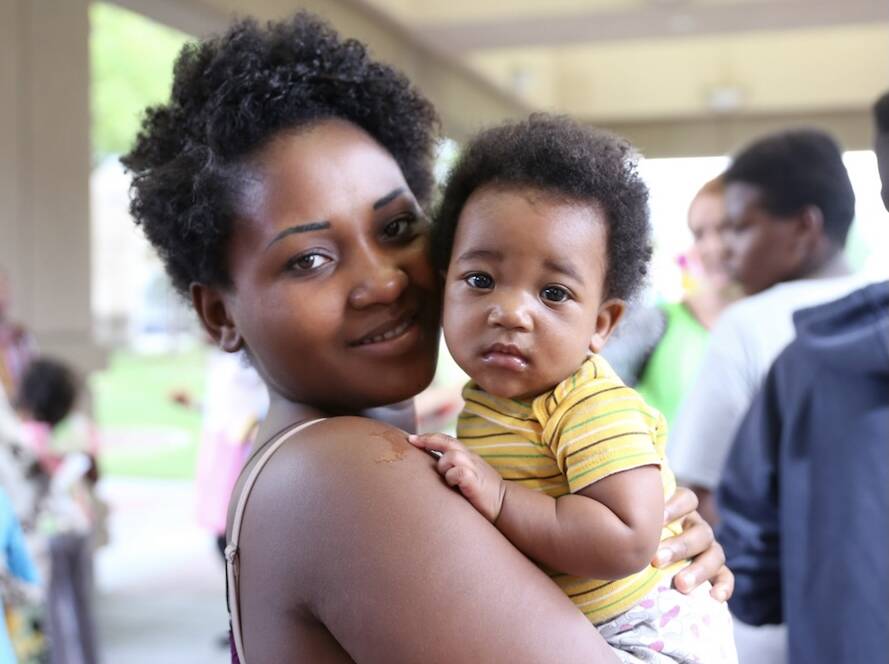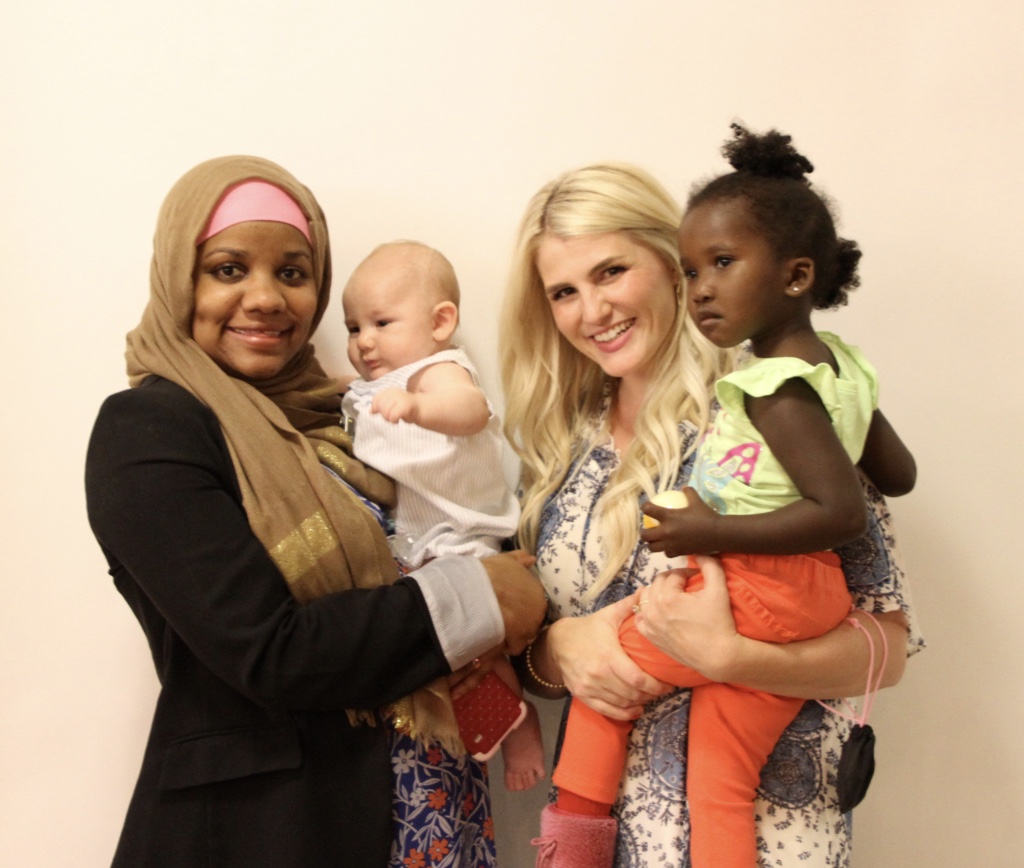
Refugees are a vibrant and meaningful part of Utah’s story—and chances are, you already know one. They are our neighbors, classmates, coworkers, teammates, and friends.
Utah is home to more than 75,000 refugees, though that number is hard to pin down. Why? After five years, refugees can become U.S. citizens, and no agency continues tracking them as “refugees.” Like anyone else, they can move between states, start businesses, raise families, and fully integrate into community life. In short, refugees don’t stay statistics—they become Utahns.
So how does someone become a refugee, and what actually happens before they arrive here? Let’s help you understand.
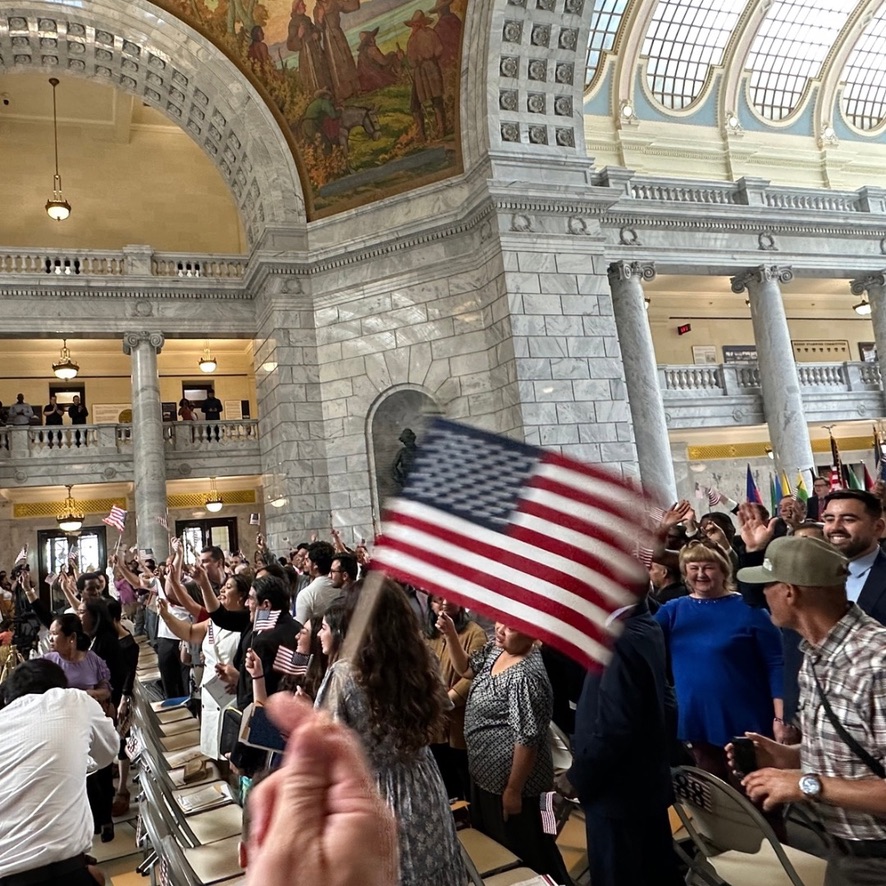
Who Are Refugees?
A refugee is someone who has been forced to flee their home country because of war, violence, or persecution—often due to their religion, ethnicity, political beliefs, or identity.
Before being allowed to resettle in the United States, refugees go through one of the most rigorous screening and vetting processes in the world. This process can take years and includes multiple interviews, background checks, and security screenings.
By the time refugees arrive in Utah, many have endured immense loss—homes, careers, loved ones, and a sense of safety.
What they bring with them, however, is equally powerful: resilience, determination, skills, cultural richness, and a deep desire to rebuild their lives.
Who Decides If Someone Qualifies for Refugee Status?
Refugee status isn’t something someone can simply claim for themselves.
The process begins internationally with the United Nations Refugee Agency (UNHCR). UNHCR interviews people who have fled their countries, verifies their stories, and determines whether they meet the official international definition of a refugee.
Once someone is recognized as a refugee, individual countries—like the United States—decide whether to accept them. In the U.S., this includes additional interviews, medical checks, and extensive security screenings by multiple government agencies.
Only after all of this can someone be approved for resettlement. Refugee status is carefully determined through legal review, ensuring protection is given to those who truly need it.
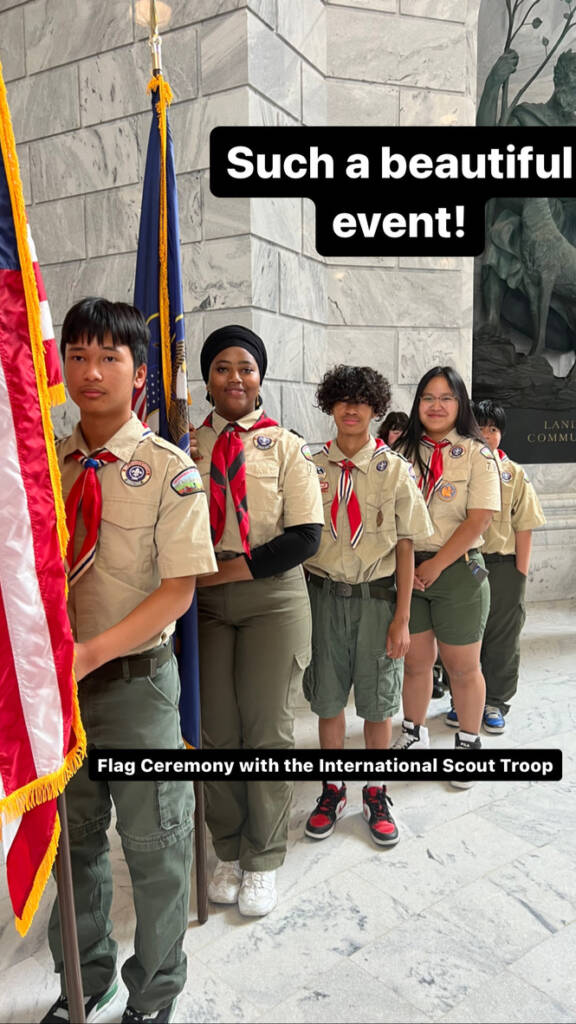
Who Welcomes Refugees When They Arrive in Utah?
When refugees arrive, they aren’t left to figure things out alone.
They are welcomed by resettlement agencies, nonprofit organizations whose goal is to help make refugees self-sufficient, and they help with:
- Finding and furnishing housing
- Enrolling children in school
- Securing employment
- Learning English
- Navigating transportation, healthcare, and daily life
In Utah, organizations that have played a vital role include:
- International Rescue Committee – Salt Lake City
- Catholic Community Services
- Cache Valley Refugee & Immigrant Connection
- Utah Valley Refugees
Between October 1, 2023, and September 30, 2024, Utah welcomed nearly 2,000 new refugees, each one beginning the journey of building a new life here.
Who Pays for Refugees to Come to the United States?
Here’s a common misconception: refugees do not get a free ride to the United States.
Their travel is covered through an interest-free loan, not a grant.
Here’s how it works:
- The U.S. government provides funding for refugee travel loans through the Department of State.
- The International Organization for Migration (IOM) manages and distributes the funds.
The Repayment Process
- Loan Agreement: Before traveling, refugees sign a promissory note agreeing to repay the cost of their plane tickets.
- Interest-Free: The loans do not accrue interest.
- Repayment Begins: Payments usually start about six months after arrival.
- Shared Responsibility: All adults (18 and older) listed on the loan are responsible for repayment.
- Paying It Forward: The money repaid goes back to the U.S. government to help fund future refugee travel.
Refugees repay the cost of their journey—often while learning a new language, working their first job in a new country, and supporting their families.
Why This Matters for Refugees in Utah
Understanding how refugees arrive—and what they’ve already endured—helps replace myths with facts and fear with compassion.
Refugees don’t arrive looking for handouts. They arrive looking for safety, opportunity, and a chance to contribute. And time and again, they do.
Utah is stronger, richer, and more connected because refugees are here.
If you want to learn more, get involved, or support refugee neighbors in your community, stay connected with Utah Refugee Connection—we’d love to help you learn, serve, and give in meaningful ways.
We are always looking for people who want to help refugees in Utah, and welcome donations that help us keep our car seat and back-to-school events going.